
Five Ways to Leave No Trace

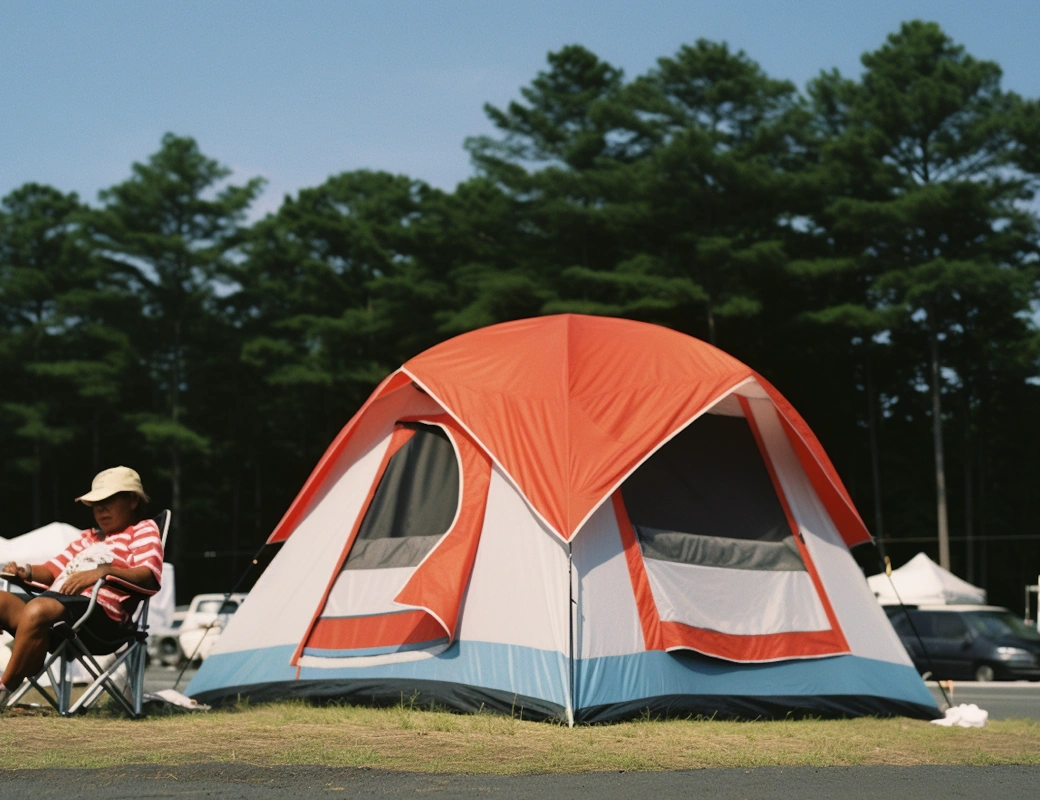
Camp on Durable Ground
Rock, gravel, dry grass or an existing pitch. A tent on soft vegetation leaves a mark that lasts a season; a tent on the same soft vegetation four nights running leaves one that lasts years. If a pitch already exists, use it rather than making a second one beside it.
Carry Out Everything
Everything includes fruit peel, which takes two years to break down above the treeline, and it includes the ash if you lit a fire you should probably not have lit. Take one bag for rubbish and one for anything wet, and do not put either down.
Water, Waste and Distance
Wash and pee at least sixty metres from any water. Bury solid waste fifteen centimetres down and the same distance out, or carry it, which is increasingly the expectation in popular places. Neither is pleasant to plan for. Both are much less unpleasant than arriving somewhere that nobody planned for.
Leave What You Find
No cairns, no carved names, no rearranged rocks, no wildflowers picked. The point of the place is that it looks like nobody was there, and that is a thing every single visitor either preserves or spends.





When It Is Genuinely Difficult
Popular places in bad weather make every one of these harder. The honest answer is to carry more -- a bigger rubbish bag, a proper waste kit -- and to accept the extra few hundred grams as part of the cost of going somewhere well loved.
Building It Into the Routine
Do a last sweep of the pitch before you shoulder the pack, every time, even when you are certain. Tent pegs, guy lines and the wrapper that blew under the porch are what a sweep finds, and sixty seconds is the whole cost.

The forecast tells you about the valley. The sky above your campsite tells you about tonight.


A first night outdoors goes wrong in about four predictable ways. Here is the list that heads all four of them off.