
Reading the Weather Before You Pitch

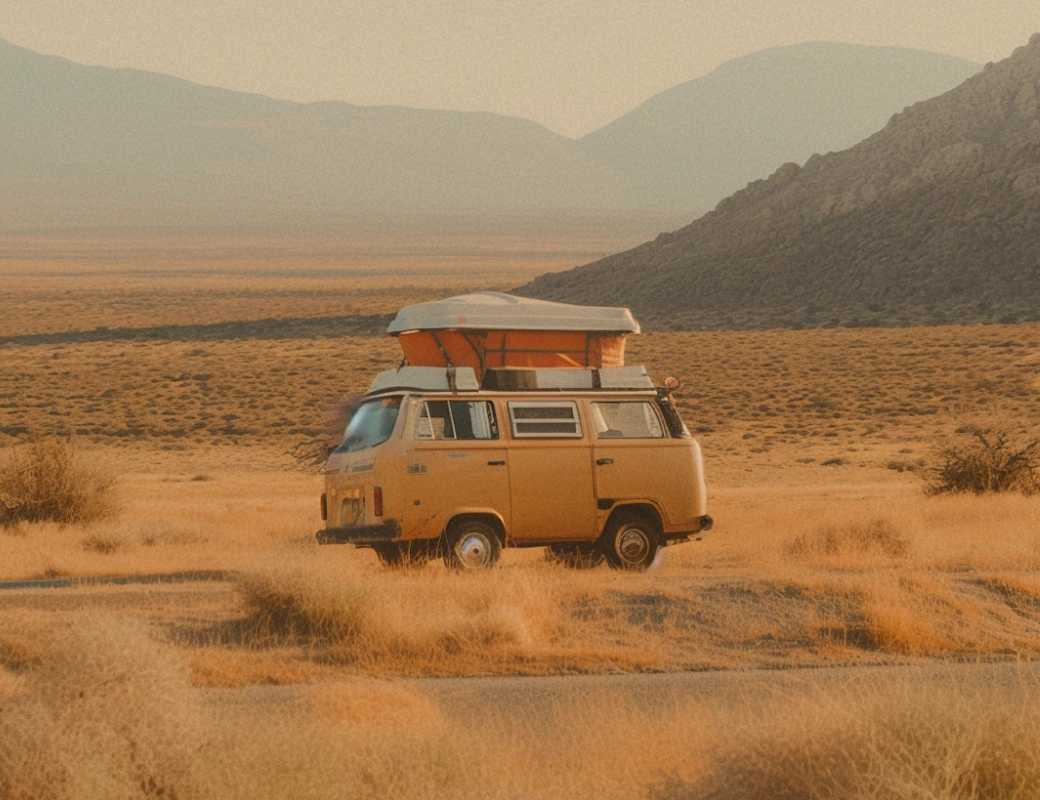
The Forecast Is for Somewhere Else
Mountain forecasts are modelled at a resolution far coarser than the ground you are standing on. They will tell you the pressure trend and roughly when the front arrives, and both of those are worth knowing. They will not tell you that the cirque you are camped in funnels wind at midnight.
What the Sky Is Saying
High thin cloud spreading from the west, thickening and lowering over a few hours, is a warm front and you have time. Towers building vertically on a warm afternoon are not a front at all and you have far less. A clear, still, cold evening means condensation, which is a comfort problem rather than a safety one, and it is solved by pitching where a little air moves.
Choosing the Ground
Not the lowest point, where cold air pools and water collects. Not the ridge, for obvious reasons. Look for the lee of something solid, on ground that is very slightly convex, with the door away from the prevailing wind. Then look up, and do not camp under anything that could fall.



When the Forecast Was Wrong
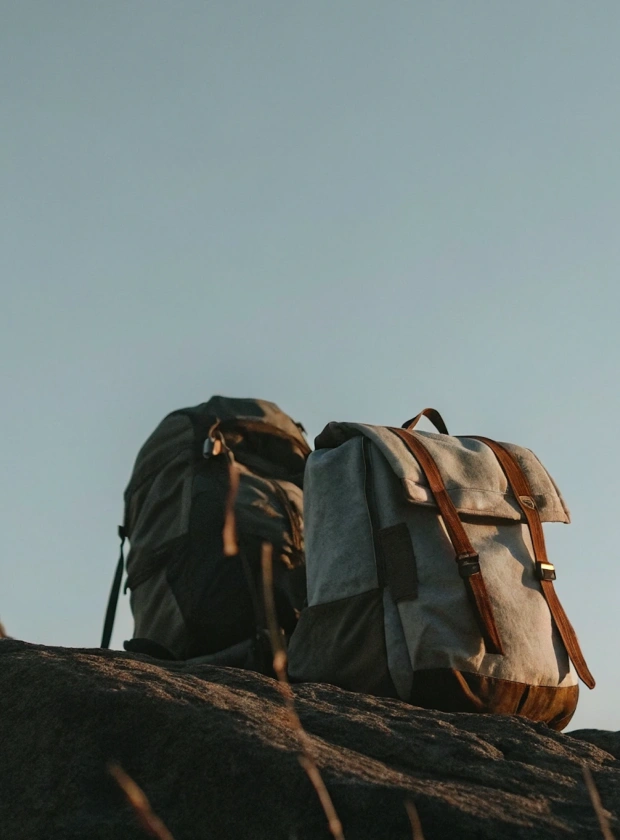
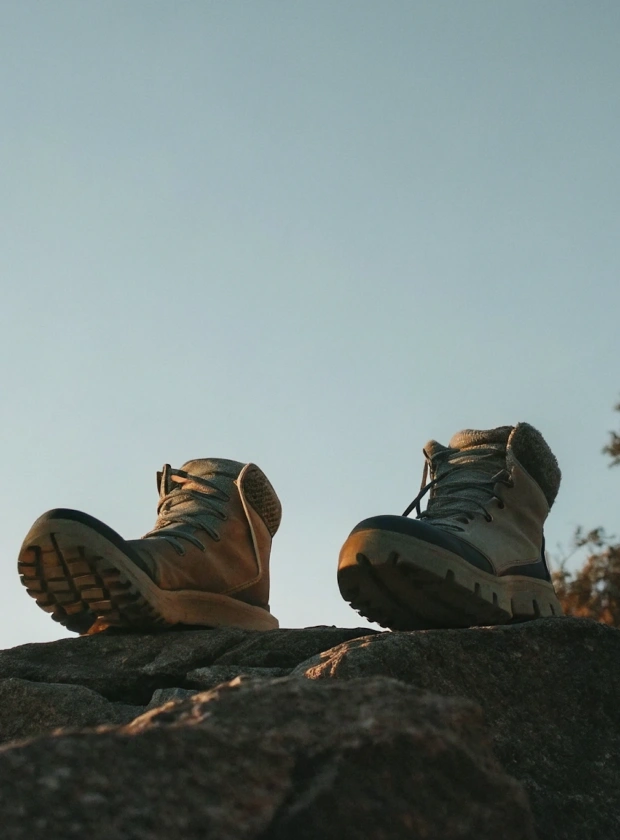
Have a plan you can execute in the dark and the wet, and decide the turn-around time before you set off rather than in the moment. A plan made in daylight is worth more than a decision made at midnight.
Building Weather Sense
Write down what the sky looked like at eight in the evening and what the night actually did. Twenty entries in and you will be reading your own local conditions better than any app, because you will be reading the ground as well as the air.
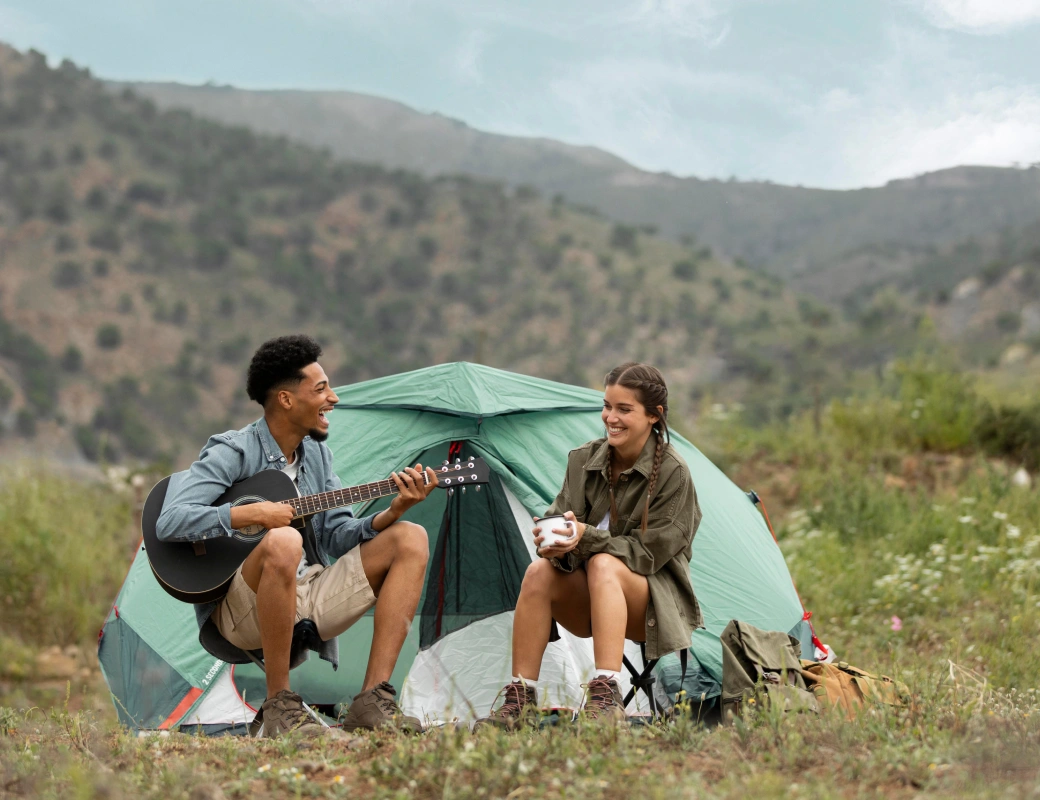
A first night outdoors goes wrong in about four predictable ways. Here is the list that heads all four of them off.


Everything in your pack costs you something on the climb. These ten items pay you back every single trip.