
A Beginner's Guide to Night Sky Photography

Four Settings and a Tripod
Manual mode. The widest aperture your lens has. ISO 3200 to start. And a shutter speed of five hundred divided by your focal length, which is roughly how long you can expose before the stars smear into lines. Focus manually on the brightest star you can find, using live view zoomed all the way in, and then tape the focus ring so you do not knock it.
Finding the Dark
The camera is the easy part. Getting somewhere genuinely dark is the work, and it is why the best night photographs come out of camping trips rather than day trips. Check the moon phase before the weather: a full moon washes out more sky than thin cloud does.
Staying Warm Enough to Wait
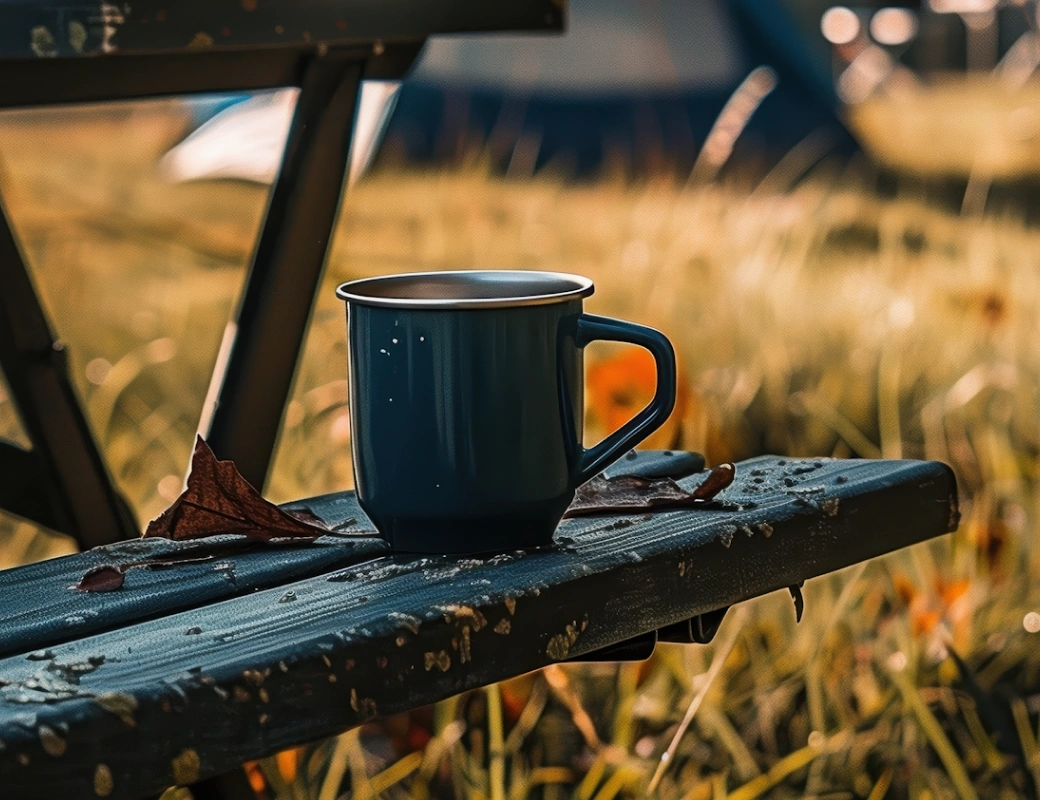
You will stand still for two hours. Dress for standing still in a wind at three in the morning, not for the walk in. A hot drink in a flask and a foam pad to stand on will do more for your photographs than any lens upgrade.


When Every Frame Is Blurred
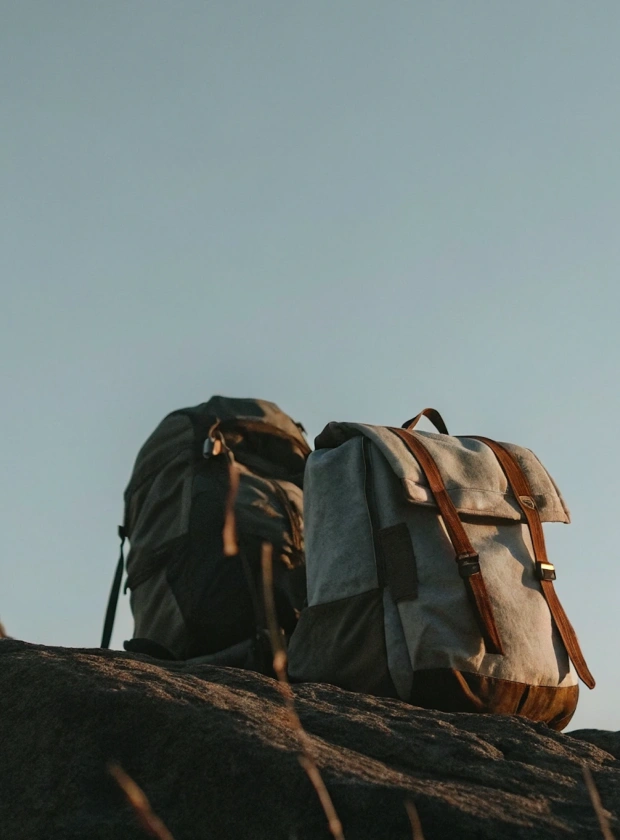
Almost always the tripod, almost never the settings. Hang your pack from the centre column, use the two-second timer, and turn image stabilisation off -- on a tripod it hunts for movement that is not there and creates it.
Building a Night Routine
Set the camera up in daylight, mark the tripod legs, and know which pocket the spare battery is in. Cold halves battery life, and fumbling in the dark is how expensive things end up in the grass.
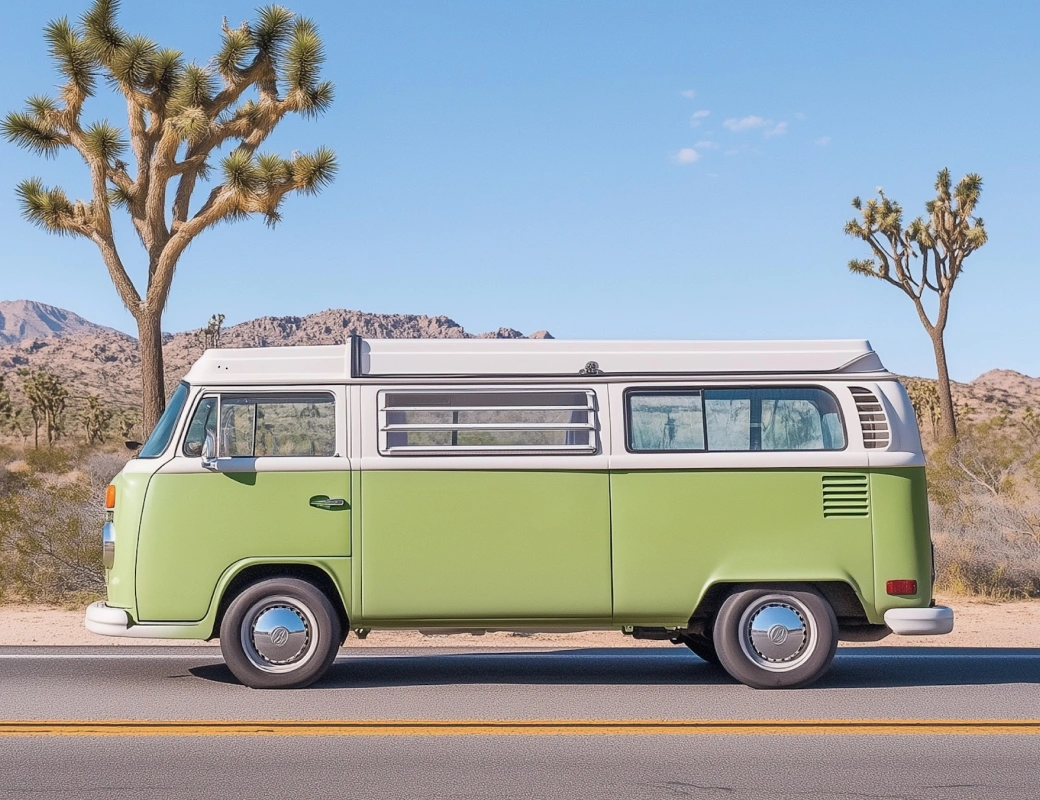
Good camp food is a packing problem, not a cooking problem. Solve it at home and dinner takes eleven minutes.

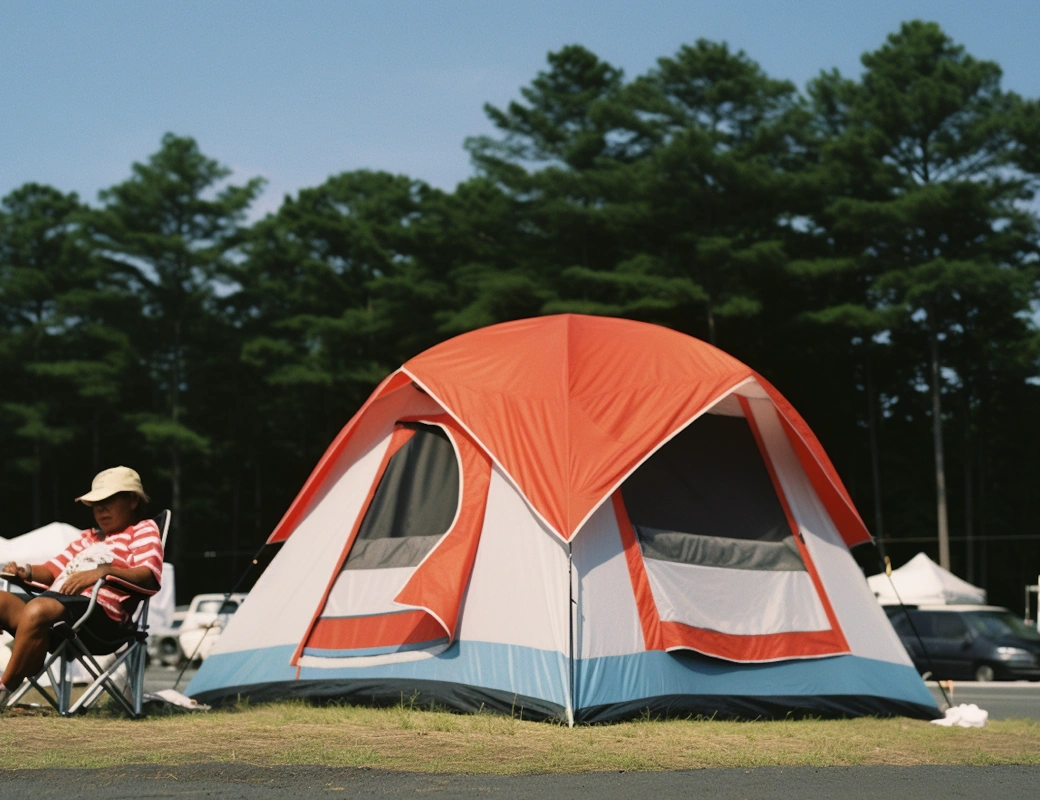
Leave no trace is not a slogan. It is five specific habits, and four of them are about where you put things.